
Answering Your Frequently Asked Questions
We've collated some frequently asked questions for you. If you have any other questions which are not answered below, or would like more information please email the team - info@hansonwade.com.
Event Fundamentals
The ADC Payload Summit is a dedicated industry forum focused on antibody-drug conjugate payload innovation, payload discovery, medicinal chemistry, biology, translational science, toxicology and ADC development. The 3rd Annual ADC Payload Summit takes place November 4-6, 2026, in Boston, MA, bringing together scientists and R&D leaders working to advance next-generation ADC payloads.
The summit is designed for teams tackling the key scientific challenges shaping payload selection and clinical success, including overcoming resistance, improving therapeutic index, optimizing linker-payload systems, evaluating novel mechanisms of action and translating differentiated payload strategies into clinical development.
View the full event guide to explore the sessions, workshops and scientific discussions.
Attend the ADC Payload Summit to gain practical insight into how leading ADC scientists are designing, selecting and translating payloads that can overcome tumor resistance, improve therapeutic index and support differentiated clinical outcomes. The agenda focuses on the scientific and development decisions that determine whether ADC payload innovation can move beyond established cytotoxic mechanisms.
Across three days, attendees will explore dual-payload ADCs, multi-payload ADCs, non-cytotoxic payloads, degrader antibody conjugates, molecular glue approaches, toxicology considerations, translational modeling and resistance mechanisms. The summit also provides structured networking, including curated matchmaking roundtables designed to connect attendees around shared ADC payload development challenges.
The ADC Payload Summit is designed for scientists, drug developers and R&D leaders working across ADC payload discovery, medicinal chemistry, biology, translational science, toxicology, linker-payload design, oncology research and ADC platform development.
It is particularly relevant for professionals from pharmaceutical companies, biotech companies, ADC developers, payload technology companies, CROs, CDMOs, academic research groups and solution providers supporting antibody-drug conjugate development. Attendees typically include those working on payload selection, mechanism of action, therapeutic index optimization, resistance biology, preclinical translation, safety assessment, linker strategy and next-generation ADC design.
The ADC Payload Summit is different from broader ADC conferences because it is dedicated specifically to payload design, payload innovation and payload-related development challenges. Rather than covering the entire antibody-drug conjugate field at a general level, the summit focuses on the warhead, linker-payload and translational decisions that directly shape ADC efficacy, toxicity and resistance outcomes.
The agenda examines established payload classes, emerging mechanisms, dual-payload strategies, multi-payload ADC engineering, non-cytotoxic payloads, degrader conjugates, resistance mechanisms and therapeutic index optimization. This makes the event highly relevant for teams working to differentiate ADC pipelines through better payload science.
Attendees will learn how ADC developers are advancing payload innovation to overcome resistance, expand the therapeutic window, optimize linker-payload systems and evaluate new payload mechanisms beyond classical cytotoxicity. The agenda covers payload discovery, medicinal chemistry, translational science, toxicology, biology-driven mechanism selection and next-generation ADC platform strategy.
Key learning areas include dual-payload ADC design, multi-payload optimization, topoisomerase resistance, tubulin payload limitations, non-cytotoxic ADC payloads, molecular glues, NMT inhibitors, degrader antibody conjugates, RNA splicing payloads, human-relevant models and clinical translation challenges.
ADC Payload Educational Content
An ADC payload is the active therapeutic agent delivered by an antibody-drug conjugate to a target cell, most commonly a cancer cell. In oncology, ADC payloads are often cytotoxic molecules designed to kill tumor cells after the antibody binds to a specific antigen and the payload is released inside or near the target cell.
Payload selection is central to ADC performance because it influences potency, safety, therapeutic index, resistance risk, bystander effect, mechanism of action and clinical differentiation. Next-generation ADC payload development increasingly explores novel cytotoxics, targeted pathway inhibitors, immune-activating payloads, degrader conjugates and other biology-driven mechanisms beyond traditional tubulin or DNA-damaging warheads.
An antibody-drug conjugate, or ADC, is a targeted therapeutic designed to deliver a drug payload to cells expressing a selected antigen. ADCs typically combine three core components: an antibody that binds the target, a linker that connects the antibody to the payload, and a payload that drives the desired biological effect.
In oncology, ADCs are used to improve the selectivity of potent therapeutics by concentrating activity in tumor cells while limiting systemic exposure. ADC performance depends on target expression, antibody internalization, linker stability, payload potency, payload permeability, tumor biology, resistance mechanisms and the overall therapeutic index of the construct.
ADC payloads are important because they are one of the primary drivers of efficacy, toxicity, resistance and differentiation in antibody-drug conjugate development. While the antibody determines targeting and the linker controls release behavior, the payload determines the biological mechanism that affects tumor cell survival.
As more ADCs enter clinical development using similar payload classes, payload innovation has become increasingly important for overcoming resistance and improving patient outcomes. Novel ADC payloads may help address tumors that no longer respond to established mechanisms, expand the therapeutic window and support more differentiated pipeline strategies.
Dual-payload ADCs are antibody-drug conjugates engineered to deliver two distinct payloads within a single therapeutic construct. The goal is to combine complementary mechanisms of action, improve anti-tumor activity and address resistance more effectively than a single-payload ADC.
Dual-payload ADC design requires careful optimization of payload potency, drug-to-antibody ratio, linker chemistry, release timing, stability and toxicity profile. If the payloads are not properly matched, the construct can introduce complexity without improving therapeutic index. The ADC Payload Summit explores how developers are evaluating dual and multi-payload ADC strategies to expand therapeutic potential and overcome resistance.
Multi-payload ADCs are antibody-drug conjugates designed to carry more than one payload type, often to address tumor heterogeneity, resistance biology or multiple cancer survival pathways. They can be used to combine synergistic mechanisms, broaden tumor cell killing and improve responses in resistant disease settings.
Developing multi-payload ADCs requires a systematic approach to payload selection, payload ratio, conjugation strategy, linker design, pharmacology and translational validation. The scientific challenge is to ensure that each payload contributes meaningful therapeutic value without creating overlapping toxicities or unpredictable exposure profiles.
Linker-payload systems affect ADC performance by controlling payload stability, release location, intracellular availability, bystander effect, systemic exposure and toxicity risk. A well-designed linker-payload system helps keep the payload attached during circulation while enabling efficient release at the intended site of action.
Linker selection is especially important when working with potent cytotoxics, dual-payload ADCs, non-cytotoxic payloads or payloads with unusual pharmacology. Linker stability, spacer design, cleavage mechanism, payload permeability and release kinetics all influence whether an ADC can achieve the right balance of efficacy and safety.
Agenda & Scientific Content
The ADC Payload Summit will discuss payload innovations including dual-payload ADCs, multi-payload ADCs, novel cytotoxic and immunogenic payloads, non-cytotoxic payload mechanisms, NMT inhibitors, RNA splicing payloads, degrader antibody conjugates, molecular glues and biology-driven ADC platform strategies.
The agenda also addresses how developers are rethinking established payload classes, including topoisomerase and tubulin-based approaches, by improving antibody design, linker optimization, tumor biology understanding and translational decision-making. This creates a balanced view of both next-generation payload innovation and smarter use of proven payload mechanisms.
The latest developments in ADC payload design include mechanism-selective payloads, rational dual-payload pairings, multi-payload optimization, improved linker-payload engineering, non-cytotoxic ADC payloads, payloads designed to address resistance and better translational models for predicting efficacy and toxicity.
Rather than focusing only on potency, ADC developers are increasingly evaluating how payload class, linker behavior, intracellular release, tumor heterogeneity, resistance mechanisms and tolerability shape clinical success. The ADC Payload Summit explores these areas through case studies, panels, workshops and roundtable discussions with companies working across established and emerging payload modalities.
Companies are overcoming ADC resistance by exploring new payload mechanisms, combining complementary payloads, improving linker-payload design, using human-relevant models, understanding tumor heterogeneity and matching payload strategy to disease biology. Resistance can emerge through drug efflux pumps, bypass pathways, altered target biology, reduced internalization or adaptation to common payload classes.
The summit agenda includes sessions on resistance to topoisomerase and tubulin payloads, matched payload combinations, translation inhibition strategies, PARP or ATR inhibitor combinations and next-generation payload mechanisms designed to resensitize tumors.
New payload mechanisms emerging in ADC development include non-cytotoxic pathway inhibitors, NMT inhibitors, RNA splicing modulators, degrader payloads, molecular glues, immune-activating payloads and multi-payload combinations designed to address resistance. These mechanisms aim to expand ADC biology beyond traditional microtubule inhibition, topoisomerase inhibition and DNA damage.
Emerging payload strategies are being evaluated for their ability to improve therapeutic index, unlock new tumor biology, address resistant patient populations and create differentiated clinical profiles. The ADC Payload Summit agenda reflects this shift toward mechanism diversity and biology-led payload innovation.
Companies contributing to ADC payload innovation at the ADC Payload Summit include AstraZeneca, AbbVie, GSK, Takeda, Hexagon Bio, GeneQuantum Healthcare, Callio Therapeutics, RYVU Therapeutics, Akari Therapeutics, Corellia AI, Iksuda Therapeutics, Prelude Therapeutics, CanWell Pharma, Pacylex Pharmaceuticals, Medicovestor, Centrose, Synthis Therapeutics and WuXi XDC.
These organizations are represented across scientific sessions, workshops, panels or partnerships covering medicinal chemistry, oncology biology, translational science, payload mechanisms, linker-payload optimization, manufacturing support and next-generation ADC development strategy.
Speakers & Community
The ADC Payload Summit speaker faculty includes ADC payload, oncology, biology, medicinal chemistry and translational science experts from companies including AstraZeneca, GeneQuantum Healthcare, Callio Therapeutics, Hexagon Bio, GSK, RYVU Therapeutics, Takeda, AbbVie, Akari Therapeutics, Corellia AI, Iksuda Therapeutics, Prelude Therapeutics, CanWell Pharma, Pacylex Pharmaceuticals, Medicovestor, Centrose and Synthis Therapeutics.
Expert speakers include Kashif Khan, Director, Medicinal Chemistry & Oncology at AstraZeneca; Paul Song, Chief Scientific Officer at GeneQuantum Healthcare; Alyson Smith, Executive Director, Biology at Callio Therapeutics; Tara Arvedson, Chief Scientific Officer at Hexagon Bio; Prajna Behera, Senior Principal Scientist, Oncology Innovation at GSK; and Krzysztof Brzozka, Chief Scientific Officer at RYVU Therapeutics.
The ADC Payload Summit brings together pharmaceutical companies, biotech companies, ADC developers, research organizations and service providers focused on ADC payload innovation. Participating and represented companies include AstraZeneca, AbbVie, GSK, Takeda, GeneQuantum Healthcare, Hexagon Bio, Callio Therapeutics, RYVU Therapeutics, Akari Therapeutics and others active in antibody-drug conjugate development.
The event is designed for teams working on payload discovery, linker-payload design, translational science, toxicology, clinical translation, resistance mechanisms and next-generation ADC platform strategy.
Yes, the ADC Payload Summit is highly suitable for biotech companies working on antibody-drug conjugates, novel payloads, oncology platforms, linker-payload technologies, translational models or differentiated therapeutic mechanisms. The summit addresses the scientific and strategic challenges that biotech teams face when advancing ADC payload programs toward clinical value.
Biotech attendees can benchmark against pharmaceutical and emerging company peers, evaluate payload classes, explore partnership opportunities and gain insight into development decisions around resistance, therapeutic index, toxicology, mechanism of action and clinical translation.
Yes, the ADC Payload Summit includes multiple networking opportunities, including structured networking breaks, a poster session and curated matchmaking roundtables. The curated roundtable format is designed to connect attendees around shared ADC payload challenges, development needs and partnership priorities rather than relying only on general open networking.
These networking sessions support deeper discussion around overcoming resistance, translating novel payloads, balancing potency and safety, identifying development partners, comparing strategies and building collaborations across the ADC payload community.
Registration & Commercial Intent
The 3rd Annual ADC Payload Summit takes place November 4-6, 2026, in Boston, MA. The event venue is Hotel Commonwealth, 500 Commonwealth Avenue, Boston, Massachusetts, USA, 02215.
The summit includes a pre-conference workshop day on Wednesday, November 4, followed by two main conference days on Thursday, November 5 and Friday, November 6. The agenda covers dual-payload ADCs, therapeutic window optimization, resistance, translational modeling, novel payload mechanisms, linker-payload design and next-generation ADC strategy.
You can register for the ADC Payload Summit through the official registration page on the event website. Registration options include conference-only access and conference plus workshop day access, with pricing categories available for academic and research institutes, drug developers, solution providers and service providers.
To secure your place, visit the registration page or contact the team by phone or email using the details listed on the event website.
Yes, team discounts are available for organizations registering multiple attendees for the ADC Payload Summit. The Event Guide lists group savings of 10% for 2 attendees, 15% for 3 attendees and 20% for 4 or more attendees, subject to the event’s booking terms.
Group attendance is particularly useful for teams working across medicinal chemistry, biology, translational science, toxicology, ADC platform development and business development, as it allows colleagues to split across workshops, presentations, roundtables and networking sessions.
Yes, sponsorship and partnership opportunities are available for companies looking to connect with ADC scientists, payload innovators, drug developers and senior decision-makers focused on next-generation ADC development. The summit is positioned for solution providers supporting payload discovery, linker-payload design, translational modeling, toxicology, manufacturing, bioconjugation and ADC platform development.
The Event Guide highlights partnership opportunities for organizations that want to showcase capabilities against key industry challenges including resistance, potency-toxicity optimization, predictive translation, dual-payload engineering and novel mechanisms of action.
Yes, the ADC Payload Summit includes a poster session designed for scientists, drug developers and industry experts to showcase advances in ADC payload innovation. The poster session provides an interactive platform to discuss novel payload discovery, biology-driven mechanisms of action, linker-payload design, translational evaluation, resistance biology and next-generation ADC strategies.
Submitting a poster can help researchers share new data, gather feedback from ADC payload specialists and build visibility across a focused community of pharmaceutical, biotech and research professionals working in antibody-drug conjugate development.
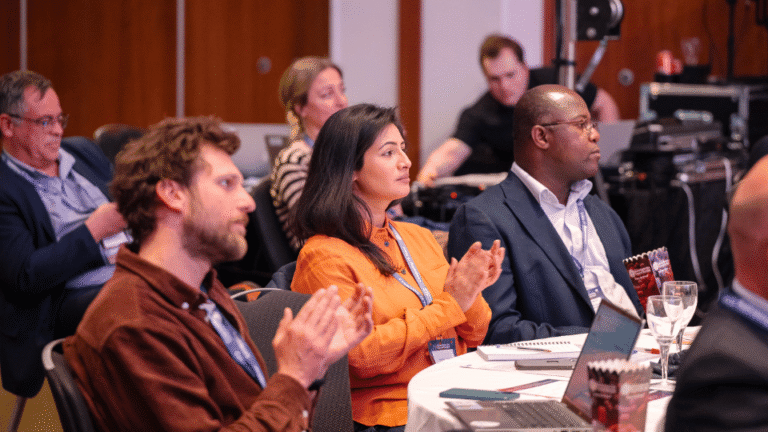
Explore the Agenda
Discover the complete agenda featuring novel payload mechanisms, dual-payload ADCs, resistance biology, therapeutic index optimisation, and the industry leaders redefining ADC payload innovation.
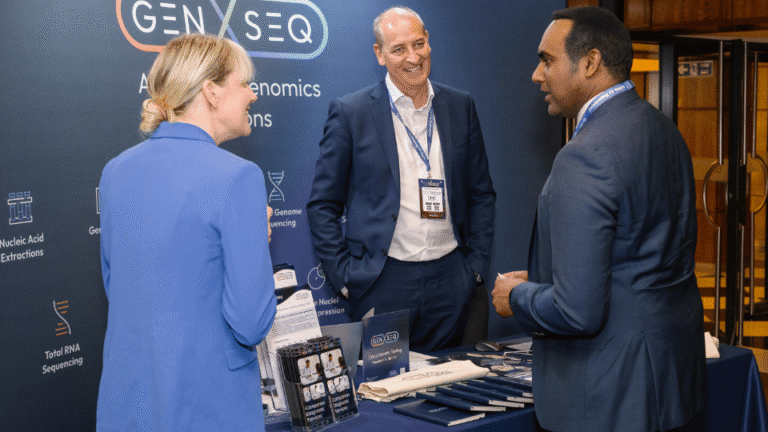
Partner With the ADC Payload Community
Position your organization alongside 70+ senior payload, chemistry, biology, and translational R&D leaders actively seeking technologies, expertise, and collaborations to accelerate next-generation ADC development.
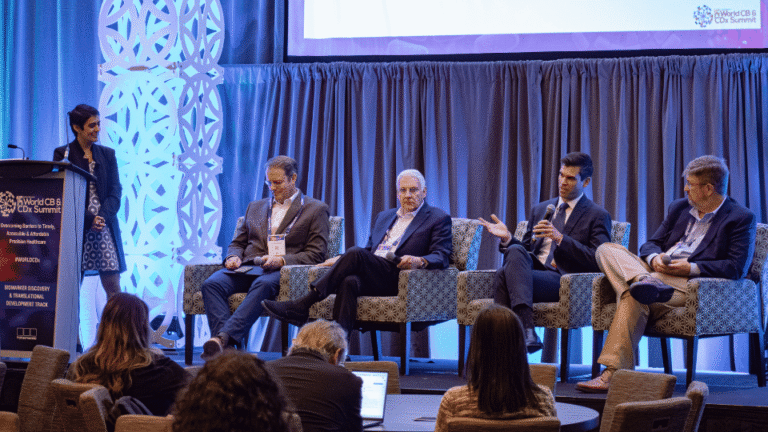
Join 70+ ADC Payload Leaders
Connect with scientists and decision-makers from biopharma and biotech companies tackling the industry's biggest challenges, from overcoming resistance and diversifying payloads to improving clinical translation.